


Fundamentals
The ASL alphabet: all 26 handshapes and how to actually learn them
The American Sign Language manual alphabet is 26 handshapes, one per English letter. You use it to fingerspell names, places, brands, and any word that has no sign yet. Below is every letter with an illustration and a plain description of the handshape, the two letters that move, the pairs beginners confuse, a chart you can print, and a way to check your handshapes with your webcam.
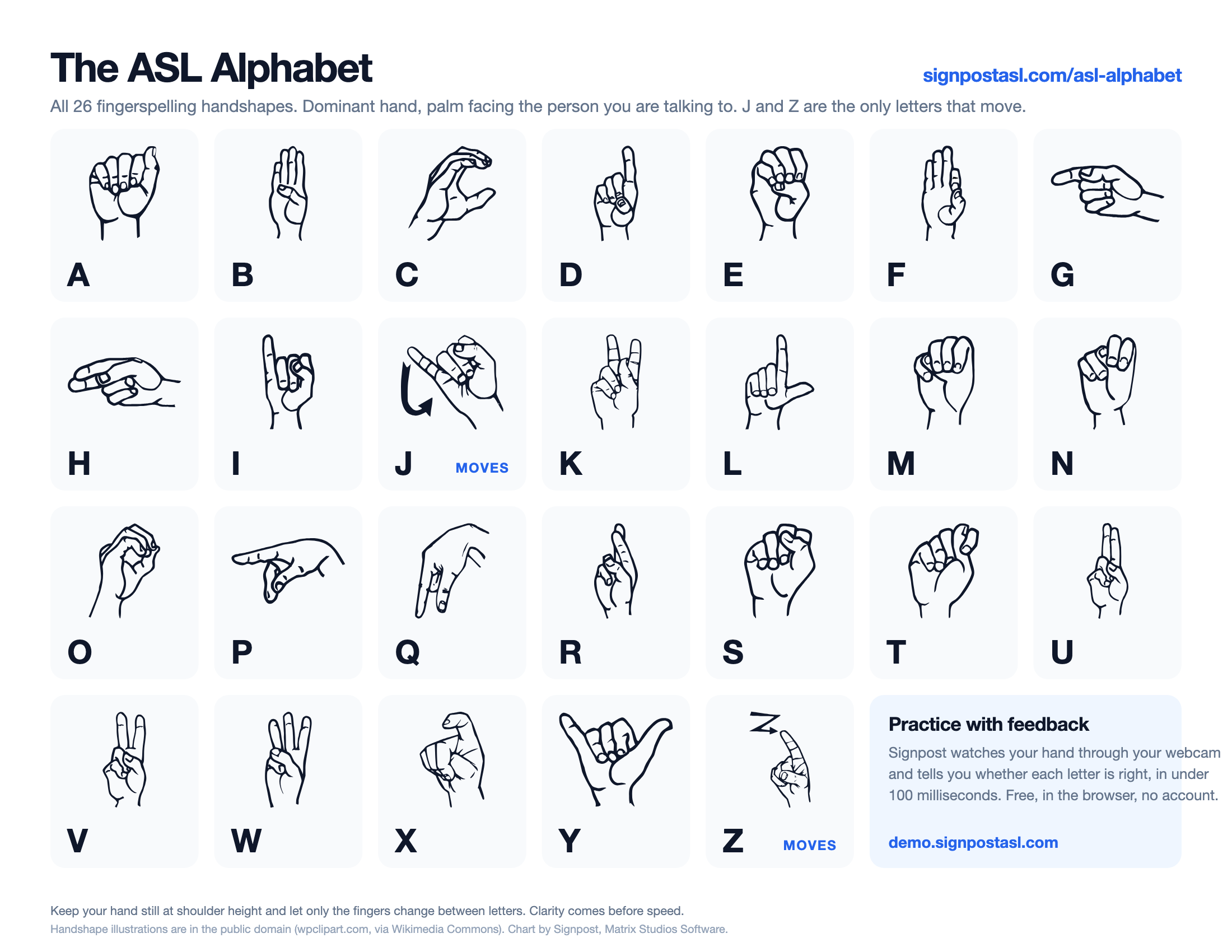
Free printable ASL alphabet chart
All 26 handshapes on one page, sized for a landscape letter sheet. Print it, stick it by your desk, or keep the PDF on your phone. Free for personal and classroom use.
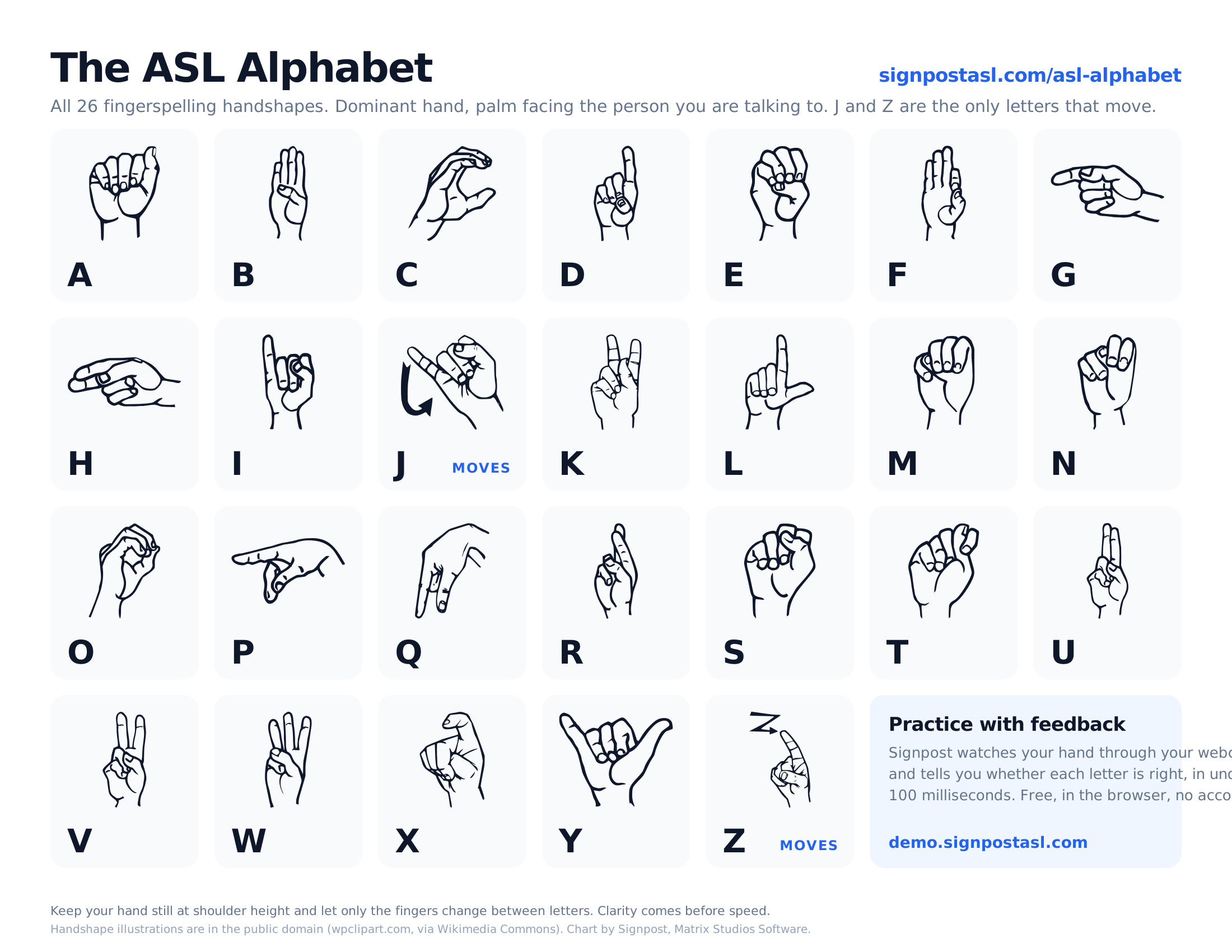
The 26 handshapes
Hold your dominant hand up at shoulder height with the palm facing the person you are talking to. Click any letter for the full breakdown, the mistakes to avoid, and webcam practice.
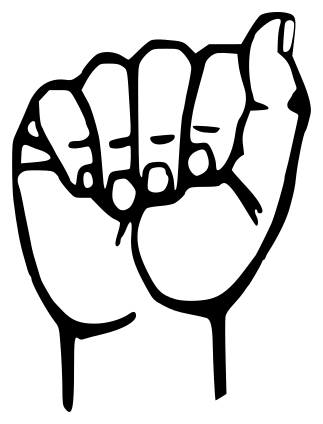 A
a closed fist with the thumb resting flat along the side of your index finger
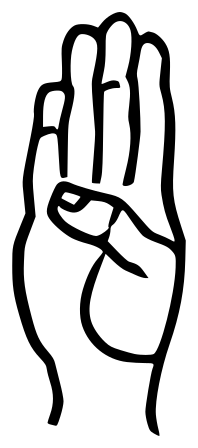 B
a flat hand with the fingers straight up and together and the thumb folded across your palm
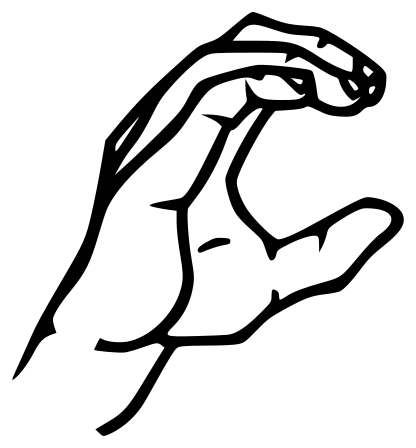 C
a curved hand that traces the shape of the letter C
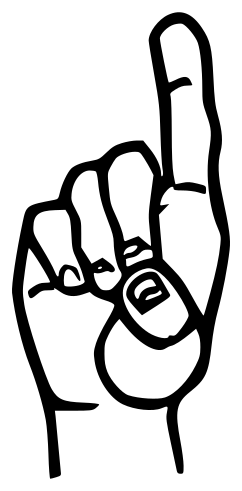 D
an index finger pointing up while the other fingertips meet the thumb in a circle
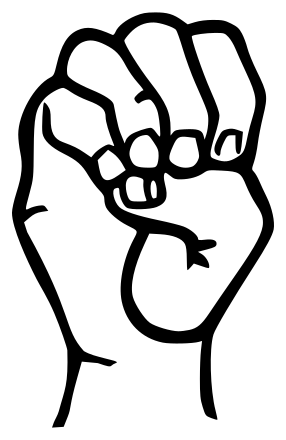 E
fingers curled down so the fingertips rest on the thumb, with the thumb tucked across the palm
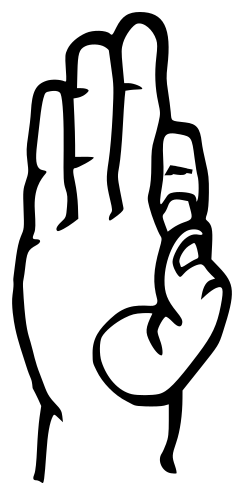 F
the index finger and thumb touching in a circle with the other three fingers straight up
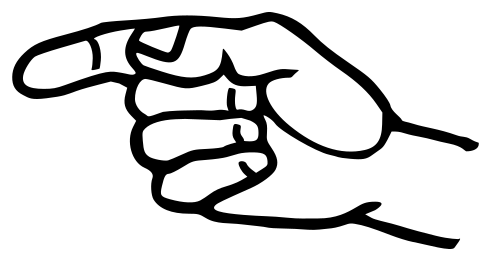 G
the index finger and thumb extended parallel to each other, pointing sideways
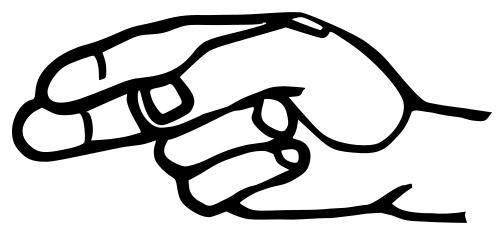 H
the index and middle fingers extended together, pointing sideways
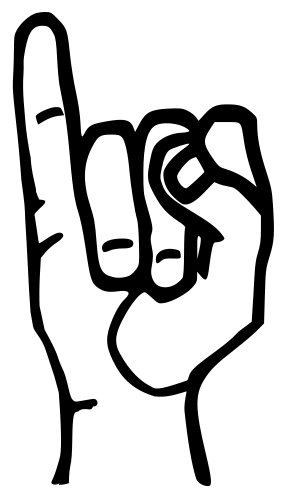 I
the pinky standing straight up with the other fingers closed into a fist
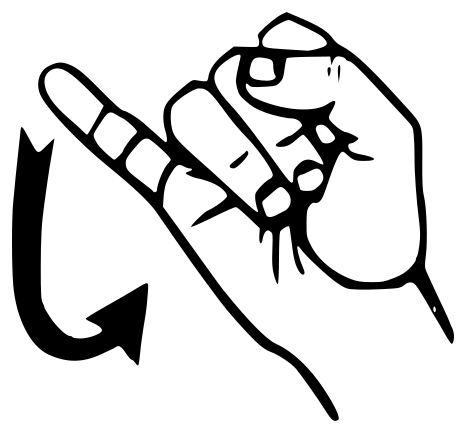 JMoves
the pinky standing up, then tracing the hook of a J through the air
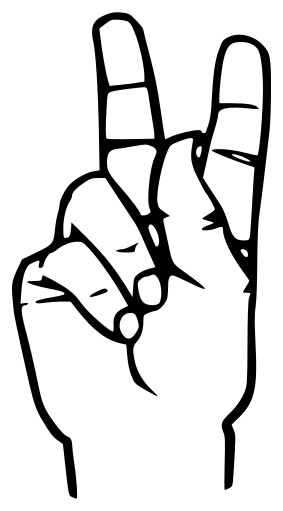 K
the index finger up, the middle finger angled out, and the thumb tucked between them
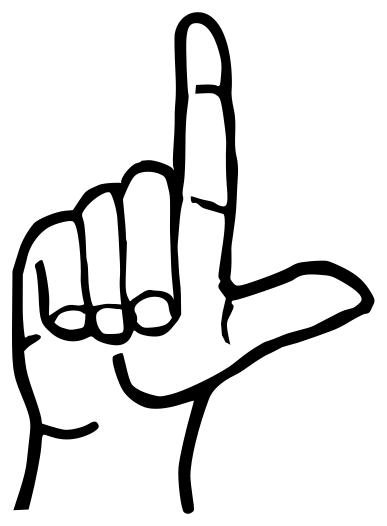 L
the index finger up and the thumb out to the side, forming a right angle
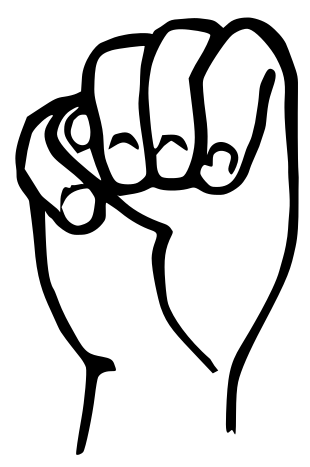 M
the thumb tucked underneath the first three fingers
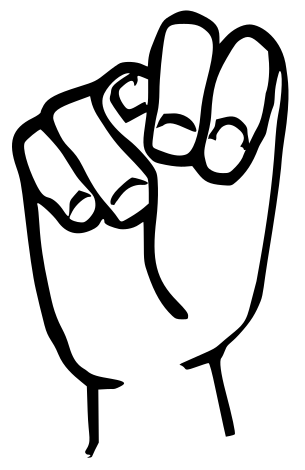 N
the thumb tucked underneath the first two fingers
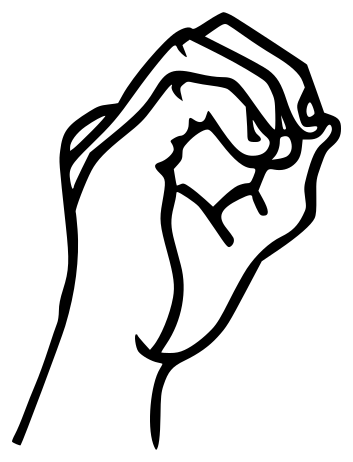 O
all fingertips meeting the thumb to form a round O
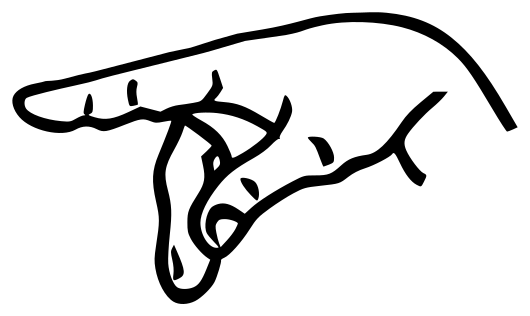 P
the K handshape rotated to point downward
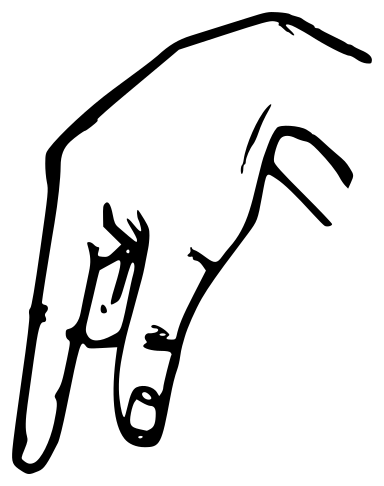 Q
the G handshape rotated to point downward
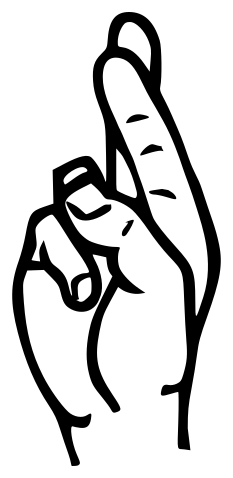 R
the index and middle fingers crossed over each other
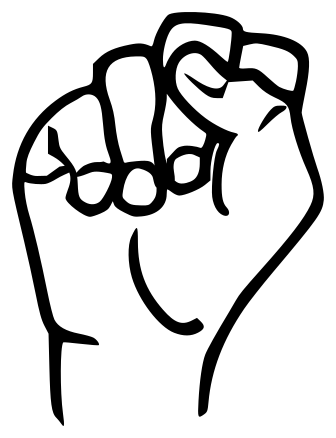 S
a fist with the thumb crossing in front of your fingers
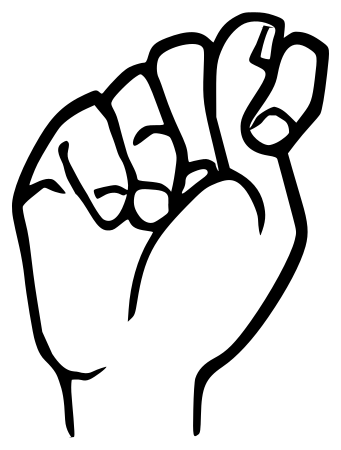 T
the thumb tucked between the index and middle fingers
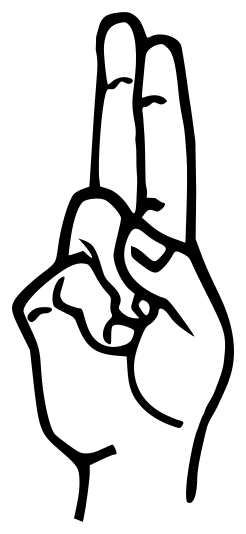 U
the index and middle fingers straight up and held together
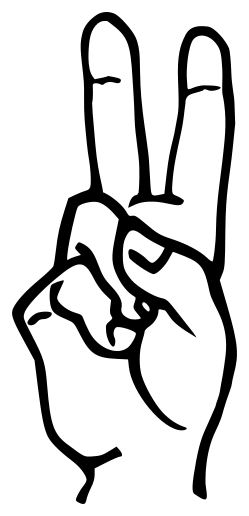 V
the index and middle fingers straight up and spread apart
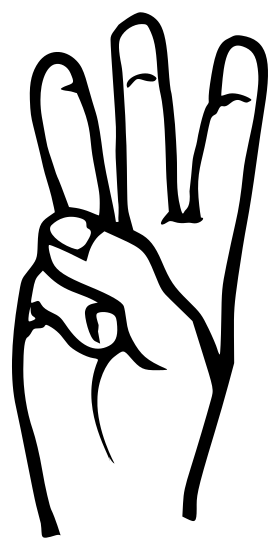 W
the index, middle, and ring fingers up with the thumb and pinky touching
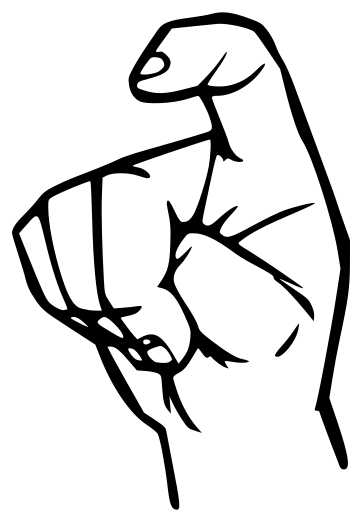 X
the index finger bent into a hook with the rest of the hand closed
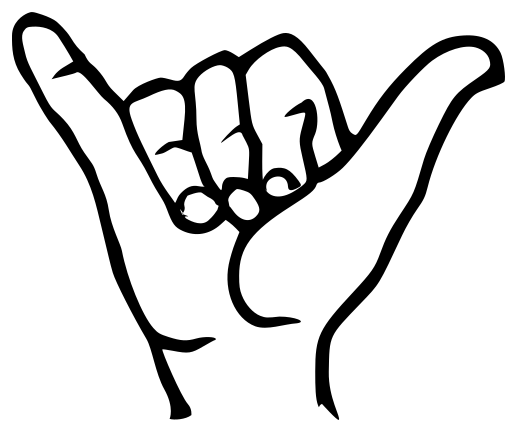 Y
the thumb and pinky extended with the middle three fingers folded down
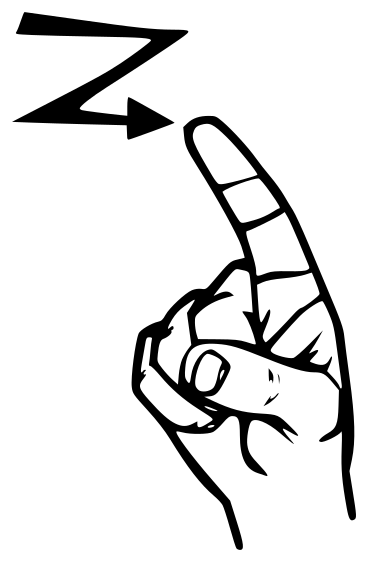 ZMoves
the index finger extended, tracing the letter Z through the air
The two letters that move
Twenty-four letters are held still. J and Z are the exceptions, and they are the first hint that ASL is built on movement as much as on shape.
J
Start with the I handshape, little finger up. Then trace the hook of a J downward and around with the little finger. The handshape never changes. Only the wrist draws the curve. How to sign J
Z
Point your index finger and draw a Z in the air: across, down at an angle, and across again. Keep it small and crisp, drawn with the finger rather than the whole arm. How to sign Z
Letters beginners mix up
To a fluent reader, the difference between an A and an S is not a small detail. It is a different letter. These are the pairs that cause the most trouble and the one thing that separates each of them.
- A, S, and T
- All three are closed fists. The thumb tells them apart: resting beside the fingers for A, crossed in front of them for S, and tucked between the index and middle fingers for T.
- M and N
- Both tuck the thumb under the fingers. Three fingers over the thumb is M, two is N. Count your fingers before you worry about your speed.
- K and P
- The same handshape, index up and middle finger angled out with the thumb between them. Pointed up it is K. Pointed down it is P.
- G and Q
- Index finger and thumb extended parallel to each other. Pointed sideways it is G. Pointed down it is Q.
- U, V, R, and H
- All four use the index and middle fingers. Together and up is U, spread apart is V, crossed is R, and together but pointing sideways is H.
- D and F
- In D the index finger stands alone while the other fingertips rest on the thumb. In F the index finger and thumb touch while the other three fingers stand up. F is also the number 9.
- I and Y
- I is the little finger alone. Let the thumb drift out and you are signing Y.
- W and the number 4
- W raises three fingers with the thumb and little finger touching. Four fingers up with the thumb tucked is the number 4, not a letter.
How to fingerspell clearly
- 1
Pick one spot and stay there
Hold your dominant hand at shoulder height, slightly to the side, palm toward the person reading you. Only the fingers change between letters. Bouncing the whole hand is the most common beginner habit and the hardest one to unlearn.
- 2
Clarity before speed
Fluent signers spell fast because every handshape is clean, not the other way around. A slow, readable name is worth more than a fast blur nobody can catch.
- 3
Mouth the word, not the letters
Fluent signers mouth the whole word while they spell it. Mouthing each letter slows you down and looks like you are sounding it out.
- 4
Handle double letters with a small slide
For double letters like the L L in HELLO, slide the hand slightly to the side or give it a small bounce rather than re-forming the letter from scratch.
- 5
Spell what has no sign
Fingerspelling is for names, places, brands, titles, and words without an established sign. Spelling out a word that has a sign is slower for everyone.
Reading fingerspelling is the harder half
There are two skills hiding inside the alphabet. Producing letters with your own hand is the first, and it feels like progress because you control the pace. Reading letters off someone else's hand is the second, and most self-taught signers neglect it. A real signer spells at conversational speed, the letters blur into a shape, and you have to recognize the whole word rather than a slideshow of frozen poses.
Spend at least as much time reading as producing. Watch fingerspelled names in videos, pause, and guess before you check. If you only ever practice your own hand, you will be the person who can spell their own name but freezes the moment someone spells theirs back. We go deeper on this in our practical guide to fingerspelling.
Questions about the ASL alphabet
- How many letters in the ASL alphabet move?
- Two. J traces the hook of the letter with the little finger, and Z draws the letter in the air with the index finger. The other 24 handshapes are held still.
- Which hand do I fingerspell with?
- Your dominant hand. Right-handed signers use the right hand, left-handed signers use the left. Pick one and stay consistent so readers know which hand to watch.
- How long does it take to learn the ASL alphabet?
- Most people can memorize the 26 handshapes in a few hours of practice spread over a week. Reading other people's fingerspelling at conversational speed takes longer, usually several weeks of regular practice.
- Is the ASL alphabet the same as the British Sign Language alphabet?
- No. ASL fingerspelling uses one hand. BSL, Auslan, and New Zealand Sign Language use a two-handed alphabet. The two systems are not mutually readable.
- Do I have to spell every word?
- No. Fingerspelling is a tool for names, places, brands, and words without an established sign. Most of an ASL conversation is signs, not spelling.
- Can I practice the alphabet with my webcam for free?
- Yes. The Signpost demo runs in your browser with no account. Turn on your webcam, form a letter, and the model tells you within 100 milliseconds whether your handshape matches. Hand tracking runs on your device and no video is uploaded.
Handshape illustrations are in the public domain, originally published by wpclipart.com and distributed through Wikimedia Commons. Letter descriptions were written and reviewed by the Signpost team with Deaf and hearing ASL educators.